
Unveiling Common Causes of Female Hair Loss
Hair is more than just strands on your head - it’s a part of your identity, a soft frame for your face, and a symbol of health and vitality. When you notice your hair thinning or falling out, it can feel like a quiet alarm going off. You might wonder why this is happening and what you can do to stop it. I want to walk with you through the gentle exploration of common causes of female hair loss, helping you understand your hair’s story and how to nurture it back to health.
Understanding Common Causes of Female Hair Loss
Hair loss in women can feel like a puzzle with many pieces. It’s rarely just one thing causing the strands to slip away. Instead, it’s often a combination of factors that gently or suddenly tip the balance. Here are some of the most common causes you might recognize:
Hormonal Changes: Life’s natural rhythms, like pregnancy, childbirth, menopause, or thyroid issues, can shift your hormone levels. These shifts often affect your hair’s growth cycle, leading to shedding or thinning.
Stress and Emotional Strain: When life feels overwhelming, your body reacts. Stress can push your hair into a resting phase, causing more hair to fall out than usual.
Nutritional Deficiencies: Your hair needs a steady supply of vitamins and minerals to stay strong. Lack of iron, vitamin D, or protein can weaken hair follicles.
Medical Conditions and Medications: Certain illnesses and treatments, like autoimmune diseases or chemotherapy, can cause hair loss.
Hair Care Practices: Over-processing, harsh chemicals, tight hairstyles, and excessive heat styling can damage your hair and scalp, leading to breakage and loss.
Recognizing these causes is the first step toward gentle care and restoration. You don’t have to face this alone or feel helpless. There are ways to support your hair’s natural rhythm and encourage healthy growth.
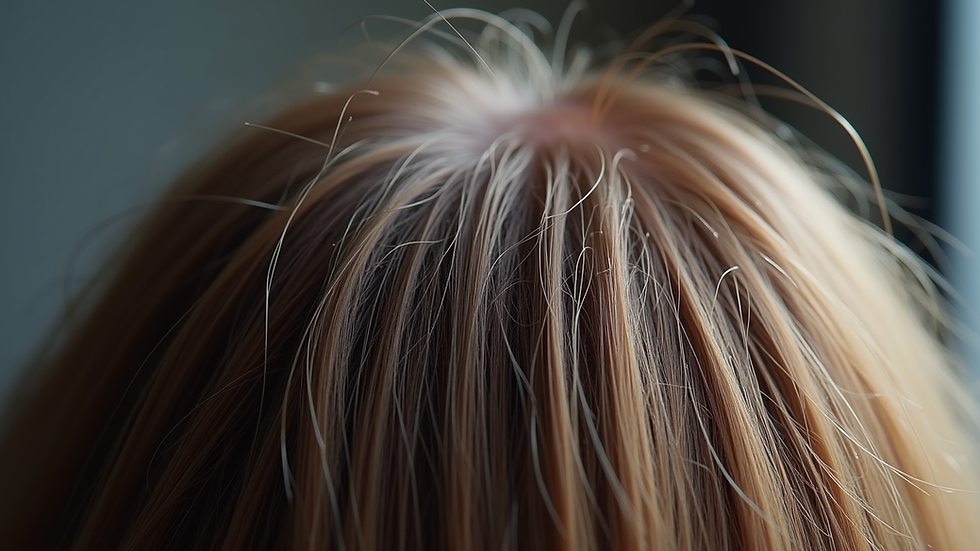
What to Take for Thinning Hair?
When your hair feels fragile and thin, it’s natural to look for solutions that can help rebuild strength and volume. Here are some thoughtful approaches you can consider:
Balanced Nutrition
Focus on a diet rich in:
Protein (lean meats, beans, nuts)
Iron (spinach, lentils, red meat)
Omega-3 fatty acids (salmon, flaxseeds)
Vitamins A, C, D, and E
Supplements
Sometimes, your diet might not cover all your needs. Supplements like biotin, zinc, and collagen peptides can support hair health. However, always check with a healthcare provider before starting any new supplement.
Gentle Hair Care Products
Choose shampoos and conditioners formulated for sensitive scalps and damaged hair. Look for ingredients like aloe vera, chamomile, and argan oil that soothe and strengthen.
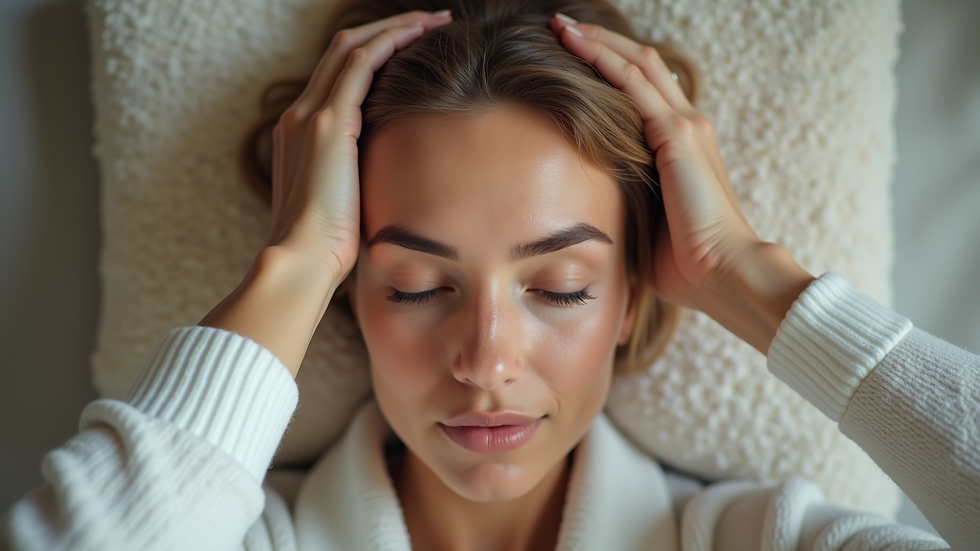
Scalp Massage
Regularly massaging your scalp can increase blood flow, encouraging hair follicles to stay active and healthy.
Avoid Harsh Treatments
Give your hair a break from chemical treatments, heat styling, and tight hairstyles that pull on your roots.
These nutrients nourish your hair from the inside out.
By combining these steps, you create a nurturing environment for your hair to grow fuller and stronger.
How Hormones Influence Hair Health
Hormones are like the conductors of an orchestra, guiding the growth and rest cycles of your hair. When they fall out of tune, your hair can respond by thinning or shedding.
Estrogen and Progesterone: These hormones help keep hair in the growing phase longer. After childbirth or during menopause, their levels drop, often leading to noticeable hair loss.
Thyroid Hormones: Both hypothyroidism and hyperthyroidism can disrupt hair growth.
Androgens: Elevated levels of male hormones can shrink hair follicles, causing a pattern of thinning hair.
If you suspect hormonal imbalances, a visit to your healthcare provider can help identify the issue. Treatments may include hormone therapy or lifestyle changes to restore balance.
Caring for Sensitive Scalps and Damaged Hair
Your scalp is the soil where your hair grows. If it’s sensitive or damaged, your hair’s roots may struggle to hold strong. Here’s how to care for this delicate area:
Use Mild, Sulfate-Free Shampoos: These clean without stripping natural oils.
Avoid Over-Washing: Washing your hair too often can dry out your scalp.
Incorporate Soothing Ingredients: Look for products with tea tree oil, aloe, or calendula.
Protect from Environmental Stressors: Wear hats or scarves to shield your scalp from sun and pollution.
Limit Chemical Treatments: Coloring, perming, and relaxing can irritate your scalp and weaken hair.
By treating your scalp with kindness, you create a foundation for healthier hair growth.
Embracing a Holistic Approach to Hair Wellness
Hair loss is often a sign that your body needs a little extra care. Embracing a holistic approach means looking at your lifestyle, diet, stress levels, and hair care habits all together.
Manage Stress: Try meditation, yoga, or simple breathing exercises to calm your mind.
Stay Hydrated: Water supports every cell in your body, including hair follicles.
Get Enough Sleep: Rest is when your body repairs and regenerates.
Regular Exercise: Movement boosts circulation, helping nutrients reach your scalp.
Remember, hair health is a journey, not a quick fix. Gentle, consistent care will help you regain confidence and enjoy the natural beauty of your hair.
If you want to learn more about hair loss causes in women, this resource offers detailed insights and supportive advice tailored to your needs.
Nurturing Your Hair Back to Life
Your hair deserves patience and gentle attention. By understanding the common causes of female hair loss and taking thoughtful steps, you can support your hair’s natural cycle and encourage new growth. Remember, every strand tells a story of resilience and care. Treat your hair and scalp with kindness, nourish your body, and embrace the process with hope. Your hair’s best days are still ahead.


Comments