
Exploring the Primary Reasons for Hair Loss: Understanding the Root Causes
Hair loss can feel like a quiet thief, slowly taking away more than just strands from your scalp. It can chip away at your confidence and leave you wondering why this is happening to you. I want to walk you through the journey of understanding hair loss, gently unraveling the primary reasons behind it. Together, we’ll explore what’s happening beneath the surface and how you can begin to nurture your scalp back to health.
The Primary Reasons for Hair Loss: What You Need to Know
Hair loss is a complex issue, and it’s rarely caused by just one factor. Instead, it’s often a combination of influences that affect your hair’s natural cycle. When hair falls out faster than it grows back, you start to notice thinning or bald patches. Here are some of the most common reasons this happens:
Genetics: Sometimes, hair loss runs in families. This type, often called androgenetic alopecia, affects both men and women. It’s like a blueprint your body follows, where hair follicles shrink over time, leading to thinner hair.
Hormonal Changes: Life’s milestones such as pregnancy, menopause, or thyroid problems can cause shifts in hormone levels. These changes can disrupt your hair’s growth cycle, causing more hair to fall out.
Stress and Trauma: Emotional or physical stress can push your hair into a resting phase, leading to noticeable shedding a few months later. This condition is called telogen effluvium.
Nutritional Deficiencies: Your hair needs a steady supply of vitamins and minerals to stay strong. Lack of iron, vitamin D, or protein can weaken hair strands and slow growth.
Scalp Conditions: Issues like dandruff, psoriasis, or fungal infections can inflame the scalp and damage hair follicles.
Over-Processing and Damage: Frequent use of harsh chemicals, heat styling, or tight hairstyles can break hair and irritate the scalp.
Understanding these factors is the first step toward reclaiming your hair’s health. If you want to dive deeper into what are the main causes of hair loss, this resource offers a detailed look at each cause.

How Do I Get My Hair to Stop Falling Out?
When you notice more hair in your brush or shower drain, it’s natural to want to stop the loss immediately. While there’s no magic wand, there are practical steps you can take to support your hair and scalp:
Be Gentle with Your Hair
Avoid harsh brushing or tight hairstyles that pull on your roots. Use a wide-tooth comb and gently detangle when your hair is damp.
Choose Mild Hair Care Products
Look for shampoos and conditioners that nourish the scalp without stripping natural oils. Ingredients like aloe vera, chamomile, and tea tree oil can soothe sensitive scalps.
Maintain a Balanced Diet
Include foods rich in iron, zinc, omega-3 fatty acids, and vitamins A, C, and E. These nutrients help strengthen hair and promote growth.
Manage Stress
Incorporate relaxation techniques such as meditation, yoga, or deep breathing exercises. Reducing stress can help your hair return to its normal growth cycle.
Consult a Professional
If hair loss persists or worsens, seeing a dermatologist or trichologist can help identify underlying conditions and tailor treatments.
Remember, hair growth is a slow process. Patience and consistent care are your best allies.
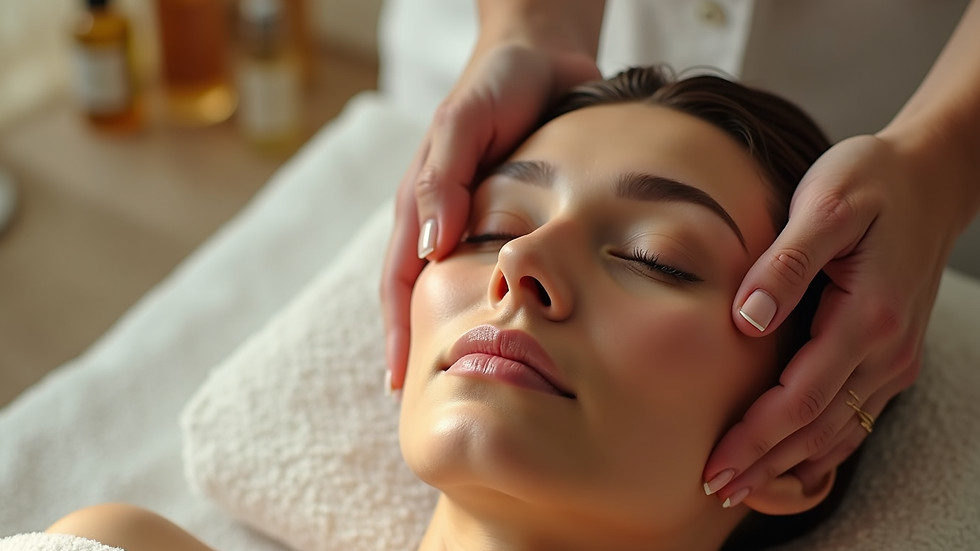
The Role of Scalp Health in Hair Loss
Your scalp is the soil where your hair grows. If the soil is unhealthy, the plants won’t thrive. Similarly, a sensitive or irritated scalp can hinder hair growth and contribute to hair loss. Here’s how you can nurture your scalp:
Keep It Clean but Not Stripped
Washing your hair regularly removes dirt and excess oils, but over-washing can dry out your scalp. Find a balance that suits your hair type.
Hydrate and Nourish
Use scalp treatments or oils that hydrate and calm irritation. Ingredients like jojoba oil and niacinamide can improve scalp barrier function.
Avoid Irritants
Be mindful of products with sulfates, parabens, or alcohol that can inflame sensitive skin.
Protect from Environmental Damage
Sun exposure and pollution can stress your scalp. Wearing a hat or using protective sprays can help.
By caring for your scalp gently, you create a welcoming environment for healthy hair to grow.
When Hair Loss Signals a Deeper Health Issue
Sometimes, hair loss is a sign that something else is going on inside your body. Conditions like autoimmune diseases, thyroid disorders, or hormonal imbalances can manifest through hair thinning or shedding. If you notice sudden or patchy hair loss, or if it’s accompanied by other symptoms like fatigue or skin changes, it’s important to seek medical advice.
Blood tests can check for deficiencies or hormonal issues. Early diagnosis and treatment can prevent further hair loss and improve overall health.
Embracing a Holistic Approach to Hair Restoration
Restoring your hair’s natural health is a journey that involves more than just topical treatments. It’s about embracing a lifestyle that supports your body and mind:
Eat Well: Nourish your body with whole foods and stay hydrated.
Sleep Enough: Quality sleep helps your body repair and regenerate.
Exercise Regularly: Physical activity improves circulation, including to your scalp.
Practice Self-Care: Reduce stress and treat yourself kindly.
By weaving these habits into your daily routine, you create a foundation for lasting hair health and confidence.
Hair loss can feel overwhelming, but understanding its root causes empowers you to take gentle, effective steps toward recovery. Remember, your hair is a reflection of your overall well-being. Treat it with patience and kindness, and you’ll nurture not just your hair, but your spirit too.


Comments