
Understanding the Causes of Female Hair Loss: A Gentle Guide to Your Hair Health
Hair is more than just strands on your head - it’s a part of your identity, a soft frame for your face, and a symbol of vitality. When you notice your hair thinning or falling out, it can feel like a quiet alarm, signaling that something needs your attention. Understanding the causes of female hair loss is the first step toward nurturing your scalp and restoring your hair’s natural beauty.
Exploring the Common Causes of Female Hair Loss
Hair loss in women can stem from many sources, each with its own story. Sometimes, it’s a temporary phase; other times, it requires a more thoughtful approach. Here are some of the most common causes you might encounter:
Hormonal Changes: Pregnancy, childbirth, menopause, and thyroid problems can all shift your hormone balance. These changes often lead to hair shedding or thinning.
Genetics: Family history plays a role. If your mother or grandmother experienced hair loss, you might be more prone to it.
Stress and Trauma: Emotional stress or physical trauma, like surgery or illness, can push your hair into a resting phase, causing noticeable shedding.
Nutritional Deficiencies: Lack of essential nutrients such as iron, vitamin D, or protein can weaken hair follicles.
Medical Conditions: Autoimmune diseases like alopecia areata or scalp infections can disrupt hair growth.
Hair Care Practices: Over-processing, frequent heat styling, tight hairstyles, and harsh chemical treatments can damage hair and scalp, leading to breakage and loss.
Understanding these causes helps you see your hair loss not as a mystery but as a signal from your body. It invites you to listen and respond with care.
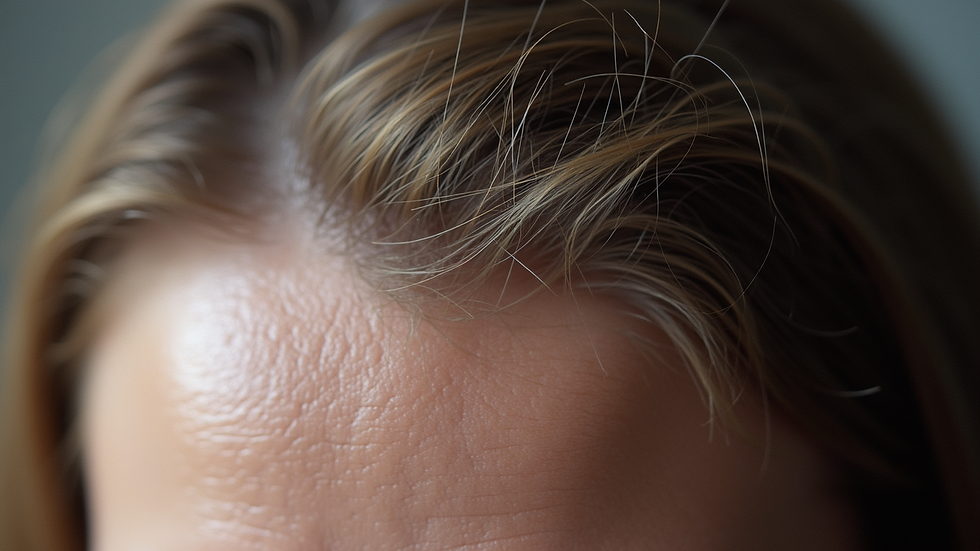
How Hormones and Lifestyle Influence Hair Loss in Women
Hormones are like the conductors of your body’s orchestra, guiding many processes including hair growth. When their rhythm changes, your hair can respond in kind.
Pregnancy and Postpartum: During pregnancy, high estrogen levels keep hair in a growth phase longer. After childbirth, estrogen drops, and many women experience increased shedding.
Menopause: Lower estrogen and progesterone levels can cause hair to thin and become more brittle.
Thyroid Disorders: Both hypothyroidism and hyperthyroidism can disrupt hair cycles.
Stress: Chronic stress floods your body with cortisol, which can push hair follicles into a resting state, leading to shedding.
Lifestyle factors like diet, sleep, and exercise also play a crucial role. Eating a balanced diet rich in vitamins and minerals supports healthy hair growth. Regular exercise improves circulation, nourishing your scalp. Prioritizing restful sleep helps your body repair and regenerate, including your hair follicles.
What to Take for Thinning Hair?
When hair thins, it’s natural to wonder what supplements or treatments might help. While there’s no one-size-fits-all answer, some nutrients and habits can support your hair’s strength and growth:
Iron: Low iron is a common cause of hair loss. Consider iron-rich foods like spinach, lentils, and lean meats.
Vitamin D: This vitamin supports hair follicle cycling. Sun exposure and supplements can help maintain healthy levels.
Biotin: Often called the hair vitamin, biotin supports keratin production, the protein that makes up hair.
Zinc: Zinc deficiency can lead to hair shedding. Foods like pumpkin seeds and chickpeas are good sources.
Omega-3 Fatty Acids: Found in fish and flaxseeds, these nourish the scalp and reduce inflammation.
Gentle Hair Care: Avoid harsh chemicals and heat styling. Use mild shampoos and conditioners designed for sensitive scalps.
Before starting any supplement, it’s wise to consult with a healthcare provider to tailor your approach to your specific needs.

Caring for Your Scalp: The Foundation of Healthy Hair
Your scalp is the soil where your hair grows. Nourishing it gently can make a big difference in hair health. Here are some simple ways to care for your scalp:
Regular Cleansing: Keep your scalp clean to prevent buildup of oils and products that can clog follicles.
Scalp Massage: Use your fingertips to massage your scalp daily. This boosts blood flow and encourages hair growth.
Avoid Over-Washing: Washing too often can strip natural oils, leading to dryness and irritation.
Choose the Right Products: Look for shampoos and conditioners free from sulfates, parabens, and harsh chemicals.
Protect from Sun Damage: Wear a hat or use scalp sunscreen when spending time outdoors.
By treating your scalp with kindness, you create a nurturing environment where your hair can thrive.
When to Seek Professional Help for Hair Loss
Sometimes, hair loss signals an underlying health issue that needs professional attention. If you notice any of the following, it’s a good idea to consult a dermatologist or trichologist:
Sudden or patchy hair loss
Scalp redness, itching, or pain
Hair loss accompanied by other symptoms like weight changes or fatigue
Hair thinning that worsens despite home care
A professional can help diagnose the cause and recommend treatments tailored to your situation. Remember, seeking help is a step toward reclaiming your hair’s health and your confidence.
Hair loss can feel like a quiet struggle, but understanding its roots empowers you to take gentle, effective steps toward healing. By tuning into your body’s signals and caring for your scalp with patience and kindness, you nurture not just your hair but your well-being. If you want to explore more about hair loss causes in women, this resource offers valuable insights to guide you on your journey.
Your hair’s story is still unfolding - with the right care, it can be one of strength, resilience, and natural beauty.


Comments